The Glowing Skin Diet: What to Eat (and Avoid) for Clear, Radiant Skin
You can apply the best serums in the world. If you are eating garbage, your skin will still show it.
That is not a guilt trip. It is biology. Your skin is your largest organ, and it reflects what is happening inside your body more honestly than any mirror. Breakouts, dullness, redness, premature aging. These are often signals, not surface problems.
A glowing skin diet is a way of eating that prioritizes anti-inflammatory foods, healthy fats, antioxidants, and skin-supporting vitamins to promote clear, radiant skin from the inside out. It is not a crash diet or a 7-day cleanse. It is a long-term shift toward feeding your skin what it actually needs.
After my brain injury, I became extremely sensitive to everything. Skin issues, gut problems, insomnia. When I started making the switch to a more organic lifestyle and paying attention to what I ate, I started feeling better overall. My skin was one of the first things to improve.
Here is the complete guide to eating for your skin.
The Foundation: Anti-Inflammatory Foods
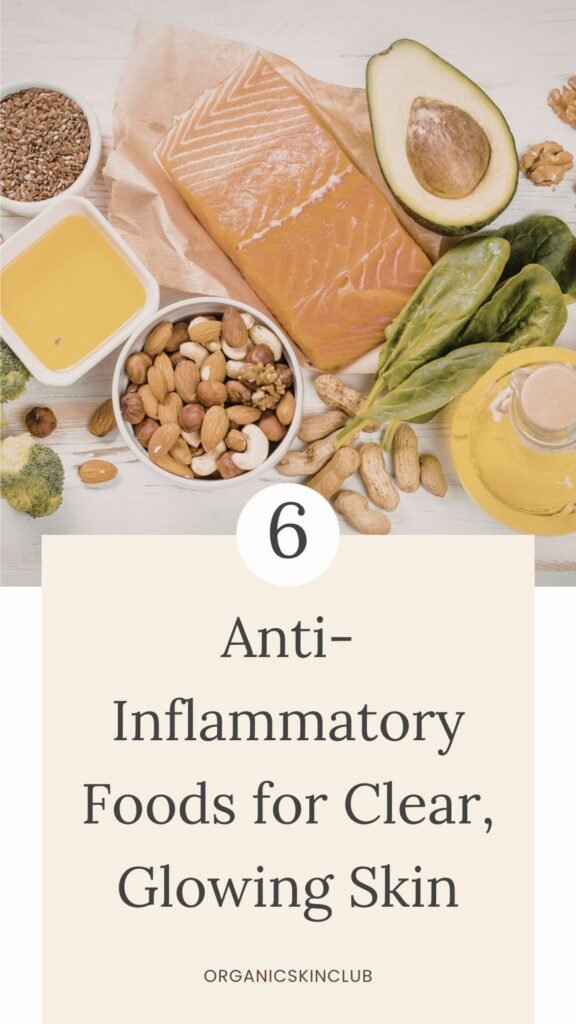
Inflammation is the root of most skin problems. Acne is inflammatory. Rosacea is inflammatory. Premature aging is driven by chronic low-grade inflammation. Eczema, psoriasis, even dullness. All inflammation.
So the foundation of a glowing skin diet is eating foods that calm inflammation instead of triggering it.
Eat more of these:
- Fatty fish (salmon, sardines, mackerel) for omega-3 fatty acids
- Leafy greens (spinach, kale, arugula) for vitamins A, C, and K
- Berries (blueberries, strawberries, raspberries) for antioxidants
- Turmeric and ginger for curcumin and gingerol (powerful anti-inflammatory compounds)
- Extra virgin olive oil for oleocanthal (anti-inflammatory similar to ibuprofen)
- Walnuts for plant-based omega-3s
Eat less of these:
- Refined sugar (spikes insulin, triggers oil production and inflammation)
- Processed foods (trans fats, preservatives, seed oils)
- Fried foods (inflammatory oils at high heat)
- Excessive alcohol (dehydrates skin, impairs liver detoxification)
This is the 80/20 principle. You do not need to be perfect. But shifting the balance toward anti-inflammatory foods makes a visible difference within weeks.
Healthy Fats Are Not Optional
Your skin barrier is made of lipids (fats). If you are not eating enough healthy fats, your barrier breaks down. That means dryness, sensitivity, redness, and premature wrinkles.
The best fats for your skin:
- Avocado: Vitamin E, healthy monounsaturated fats, and glutathione (a master antioxidant)
- Salmon and sardines: EPA and DHA omega-3s that reduce inflammatory markers
- Walnuts: Alpha-linolenic acid (ALA), an omega-3 your body converts to EPA and DHA
- Extra virgin olive oil: Polyphenols and squalene, which your skin also uses topically
- Coconut oil: Lauric acid, which is antibacterial. Use in cooking, not necessarily on your face (comedogenic for some people)
Low-fat diets are terrible for your skin. If your skin is dry and dull despite a good skincare routine, look at your fat intake first.
Vitamins Your Skin Cannot Live Without
Vitamin C is essential for collagen production. Without enough vitamin C, your skin cannot repair itself or maintain firmness. The best food sources are bell peppers, citrus, strawberries, broccoli, and kiwi.
Vitamin A supports skin cell turnover. This is the nutrient behind retinol (the most popular anti-aging ingredient). Food sources include sweet potatoes, carrots, spinach, and eggs. Beta-carotene from orange and yellow vegetables converts to vitamin A in your body.
Vitamin E protects cell membranes from oxidative damage. It works synergistically with vitamin C, meaning they are more powerful together. Find it in almonds, sunflower seeds, avocado, and spinach.
Zinc regulates oil production, supports wound healing, and is one of the most studied nutrients for acne. Pumpkin seeds, chickpeas, lentils, and cashews are all excellent sources.
Vitamin D supports immune function and skin cell growth. Sunlight is the primary source. Egg yolks and mushrooms provide smaller amounts through food.
Diet is one of the most powerful (and overlooked) tools for clear skin. If you want a simple place to start, this free guide covers the routines, foods, and products that actually make a difference.
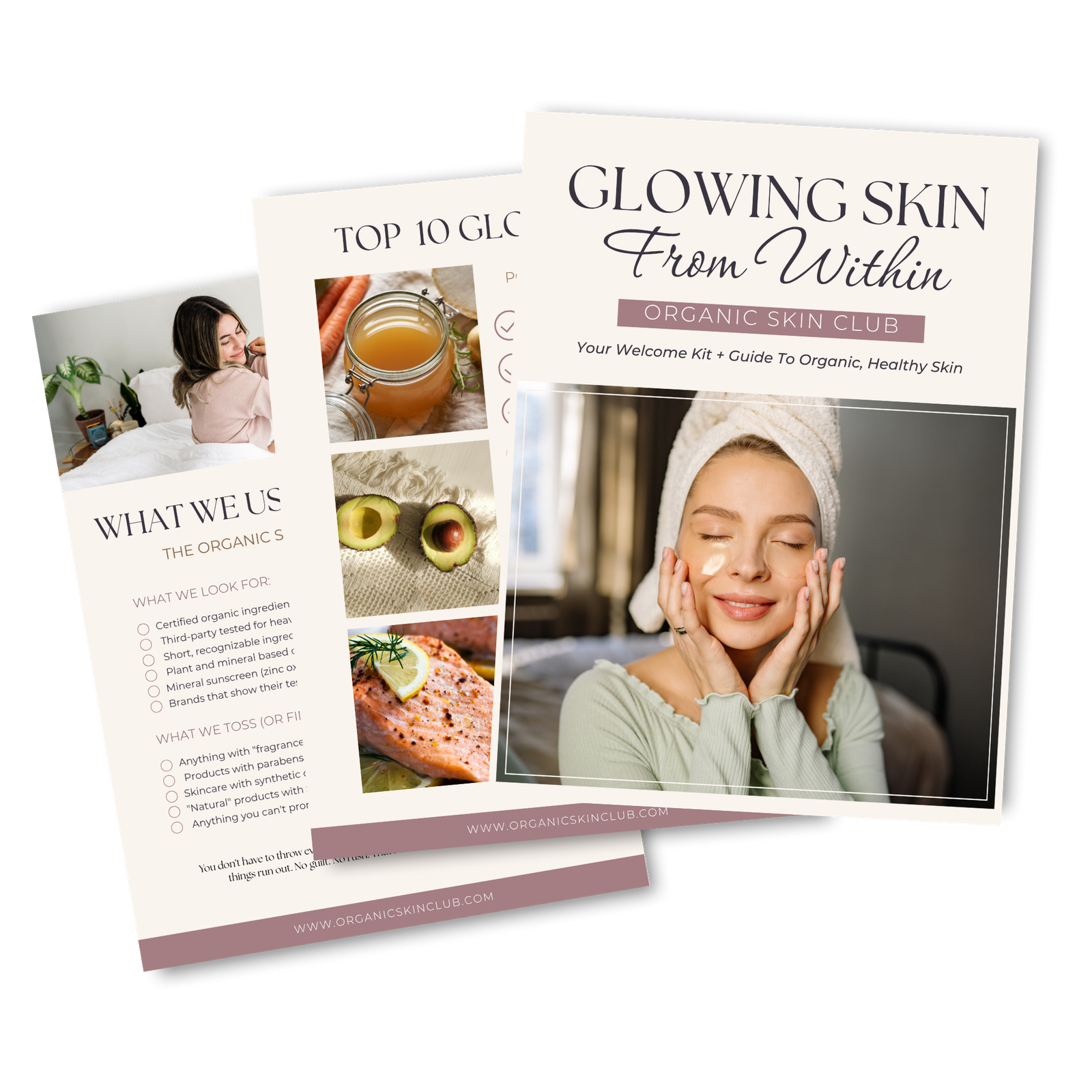
Get Glowing Skin, From Within
Clean skin starts on the inside. Get your free guide to organic routines, skin-nourishing foods, and the products we actually trust.
No spam. Unsubscribe anytime.
The Gut-Skin Connection
Your gut and your skin are directly connected through what researchers call the gut-skin axis. An imbalanced gut microbiome triggers systemic inflammation that shows up on your face as breakouts, redness, and sensitivity.
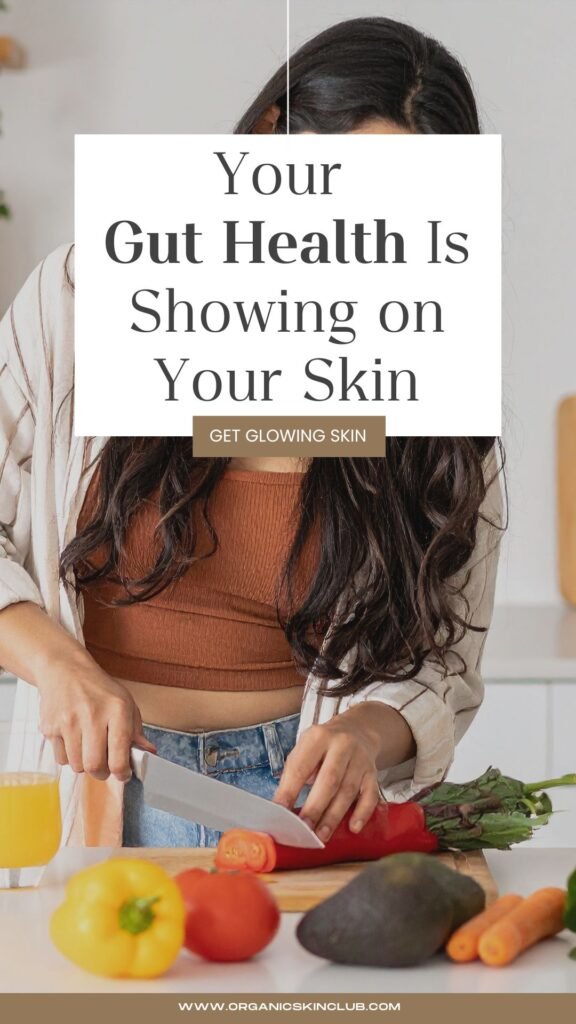
Foods that support gut health (and therefore skin health):
- Probiotic foods: Sauerkraut, kimchi, yogurt, kefir, miso
- Prebiotic foods: Garlic, onions, bananas, oats, asparagus
- Bone broth: Collagen, glutamine, and glycine for gut lining repair
If you have persistent skin issues that do not respond to topical products, your gut is the first place to look. Read more in our gut-skin connection guide.
Foods That Sabotage Your Skin
Some foods directly trigger the pathways that cause breakouts and premature aging.
Sugar and high-glycemic foods. When you eat sugar, your blood sugar spikes. Insulin rises. Insulin triggers androgen hormones, which ramp up sebum (oil) production. More oil means more clogged pores and more breakouts. High-glycemic foods (white bread, white rice, pastries, candy) have the same effect.
Dairy. This is controversial, but the research is building. Dairy contains hormones (IGF-1 and others) that may stimulate oil production and inflammation. Skim milk appears to be worse than full-fat, possibly because of processing. If you have stubborn acne, try reducing dairy for 30 days and see what happens.
Processed seed oils. Canola, soybean, corn, and sunflower oils are high in omega-6 fatty acids. Excessive omega-6 without enough omega-3 to balance it creates an inflammatory environment. These oils are in almost every processed food.
Alcohol. Dehydrates your skin, impairs liver function (your liver is a major detox organ), and triggers rosacea flares. Occasional drinks are fine. Daily consumption shows up on your skin over time.
A Sample Day on a Glowing Skin Diet
Breakfast: Two eggs scrambled with spinach and avocado. A handful of blueberries. Green tea.
Snack: A small handful of walnuts and an orange.
Lunch: Salmon over a mixed green salad with olive oil dressing, cherry tomatoes, cucumbers, and pumpkin seeds.
Afternoon: A clear skin smoothie with spinach, berries, collagen powder, and almond milk.
Dinner: Chicken thighs roasted with sweet potatoes, broccoli, and turmeric. Bone broth on the side.
Evening: Herbal tea (chamomile or glowing skin drink of your choice).
This is not restrictive. It is just real food, cooked simply, with ingredients that happen to be excellent for your skin.
What About Supplements?
Food first. Always. Supplements can fill gaps, but they should not replace eating well.
That said, a few supplements have solid evidence for skin health:
- Collagen peptides: May improve skin elasticity and hydration
- Omega-3 fish oil: If you do not eat fish regularly
- Zinc: If you are deficient (common, especially in plant-based eaters)
- Probiotics: If you do not eat fermented foods regularly
- Vitamin D: If you do not get regular sun exposure
Diet Is One Half of the Equation
Eating for your skin is foundational. But it is one half. What goes on your skin matters just as much. If you are eating clean and putting conventional products full of synthetic chemicals on your face, you are working against yourself.
The approach that actually works is inside and out. Anti-inflammatory foods plus organic skincare products that do not add chemical stress to your skin.
Start with one meal a day. Make it a skin-friendly one. Add a glowing skin juice or detox water as your daily drink. Build from there.
Your skin reflects what you feed it. Feed it well.
📌 Save This To Come Back To
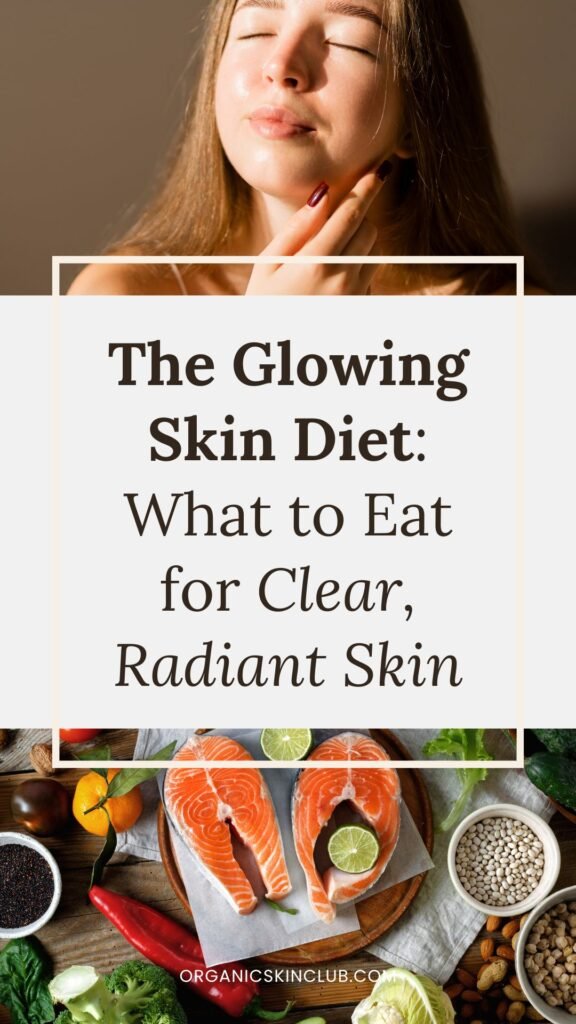
Want a simple guide to clean skincare and skin-loving foods? Grab the free Glow From Within Welcome Kit and get started today.
Ready to pair your glowing skin diet with a clean skincare routine? This free guide walks you through both.
Get Glowing Skin, From Within
Clean skin starts on the inside. Get your free guide to organic routines, skin-nourishing foods, and the products we actually trust.
No spam. Unsubscribe anytime.